
If you’ve been shopping for a condo lately, or if you currently own one and…
A Lighthearted Look at the History of Christmas
Christmas has more plot twists than a holiday romance movie. What started as ancient winter festivals somehow evolved into a global celebration where we put trees inside our houses, hang socks by the fireplace, and convince our kids that a jolly old man in a red suit travels the world in one night. Let me take you on a journey through the wonderfully weird history of Christmas – trust me, it's way more entertaining than you'd expect.
The Christmas Tree: From Pagan Worship to Living Room Centerpiece
Let's start with the elephant in the room – or should I say, the tree in the living room. The tradition of bringing a tree indoors started with ancient Germanic tribes who decorated trees to honor Odin during winter festivals. Apparently, they thought the best way to celebrate the season was to drag nature inside and cover it with shiny objects. Sound familiar?
Here's where it gets really weird: the first "Christmas tree" wasn't actually a tree at all. It was made of dyed goose feathers and came from Germany in the 18th century. I can only imagine the conversation: "Honey, should we get a real tree this year?" "Nah, let's just pluck a goose and call it festive."
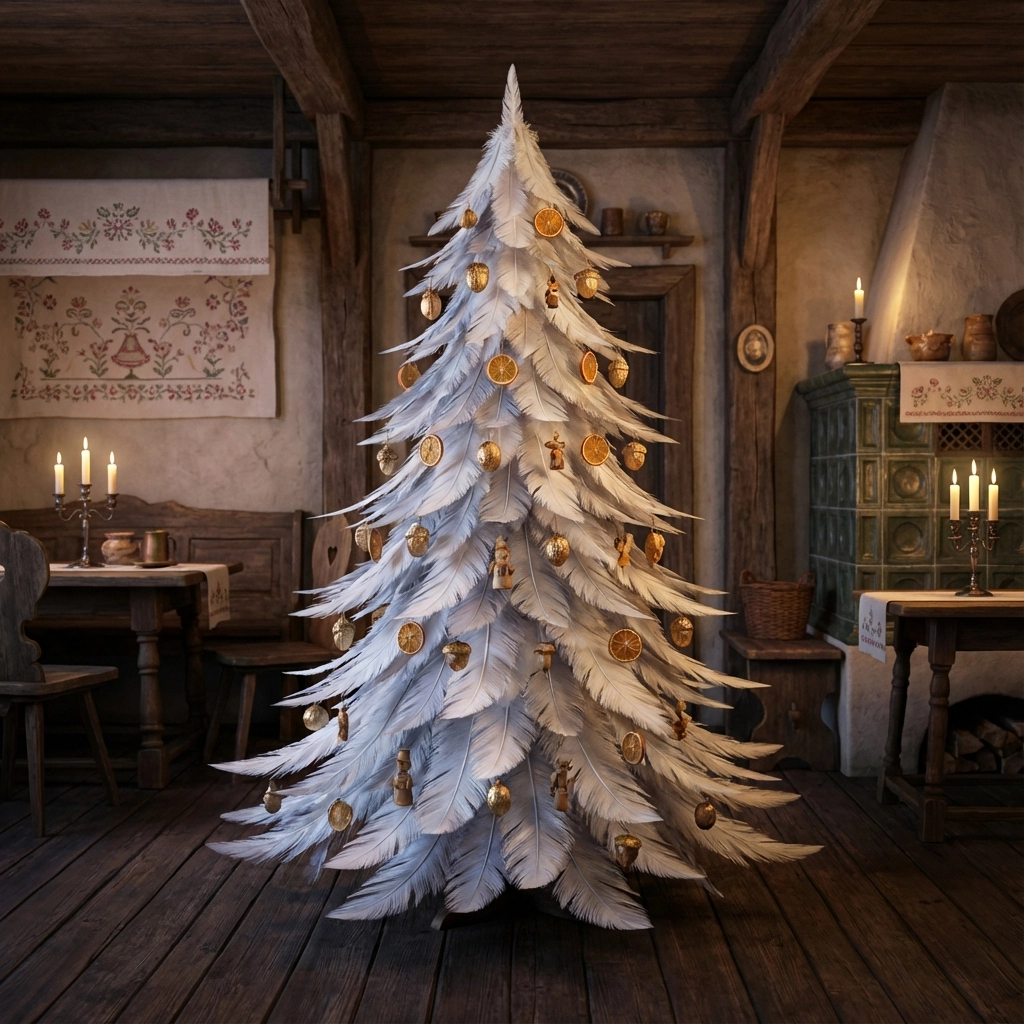
By the late 1600s, people started using real trees again and decorated them with fruits like apples, pears, and oranges. They were so loaded with treats that folks called them "sugar trees" – which honestly sounds way more appealing than "Christmas tree." Imagine telling your kids you're going to decorate the sugar tree this weekend.
The ornaments we use today started as simple apples, which medieval actors used to represent Adam and Eve during Christmas plays. Over time, these evolved into the elaborate decorations we know and sometimes curse at when they fall and shatter into a million pieces on Christmas morning.
Santa's Surprisingly Crowded Competition
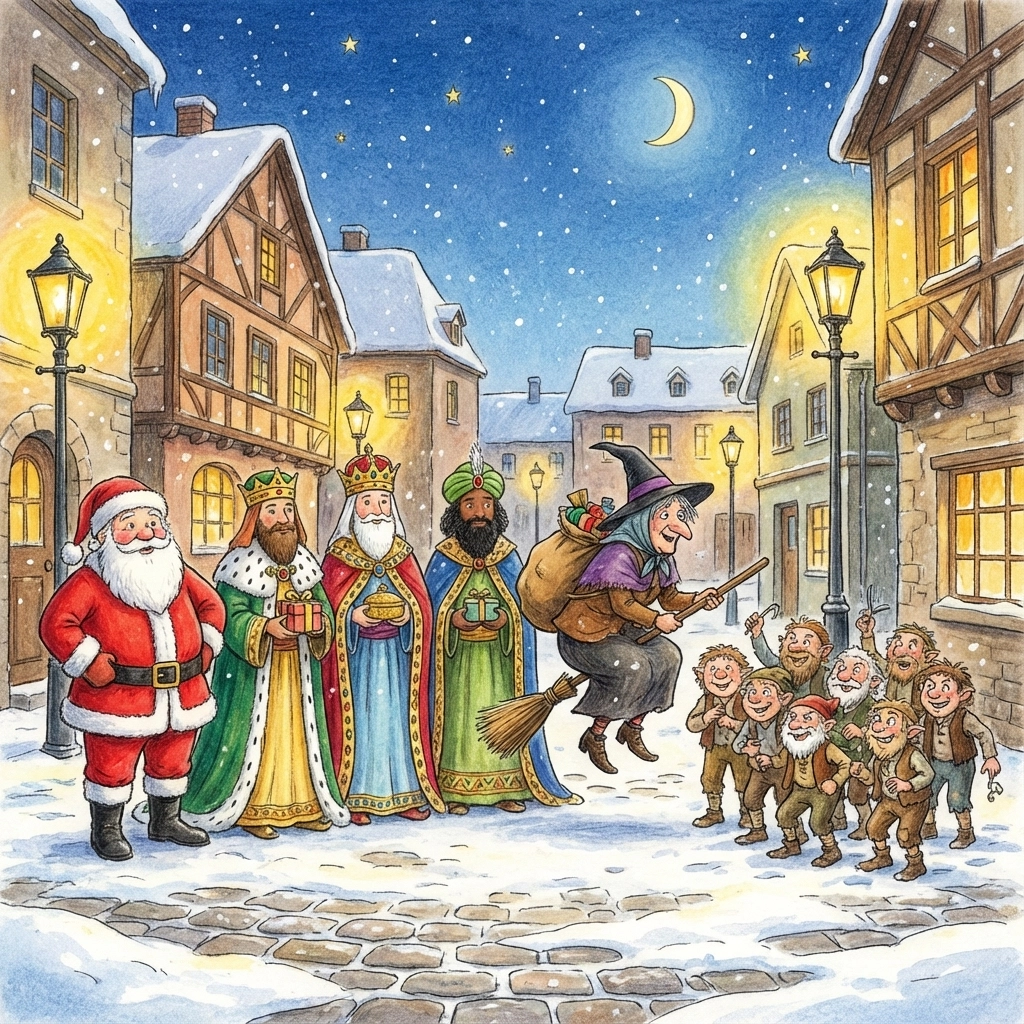
Everyone knows Santa, but did you know he's got serious competition around the world? In Spain, kids skip Santa entirely and leave food and drink for the Three Kings instead. In Italy, there's La Befana, a witch who delivers gifts on January 5th as penance for missing baby Jesus. Talk about holding a grudge – she's been making up for that mistake for centuries.
But my personal favorite has to be Iceland's Yule Lads – 13 mischievous trolls who leave sweets in children's shoes if they've been good, or a rotten potato if they haven't. A rotten potato! That's next-level passive aggression. "Sorry, Timmy, looks like you're getting carbs… just not the kind you wanted."
And here's a fun fact that might blow your mind: Rudolph the Red-Nosed Reindeer was actually a marketing stunt. Montgomery Ward department store created him in 1938 for a promotional campaign. His creator, Robert L. May, was originally considering naming him Rollo or Reginald. Can you imagine singing "Reginald the Red-Nosed Reindeer"? It just doesn't have the same ring to it.
The Gift-Giving Game Gets Weird
The tradition of hanging stockings comes from the legend of St. Nicholas putting gold coins in the stockings of three poor sisters. Fast-forward to the 12th century, and French nuns were filling socks with tangerines, nuts, and fruit for poor families. This is why we still find tangerines in Christmas stockings today – it's basically a 900-year-old tradition that somehow survived.
But perhaps the strangest modern tradition is the Christmas pickle. This German practice called "Weihnachtsgurke" involves hiding a pickle-shaped ornament on the Christmas tree. The first child to find it gets an extra gift or good luck for the year. Someone literally decided that a pickle was the perfect symbol of Christmas joy, and somehow it stuck.
Food Traditions That'll Make You Grateful for Turkey
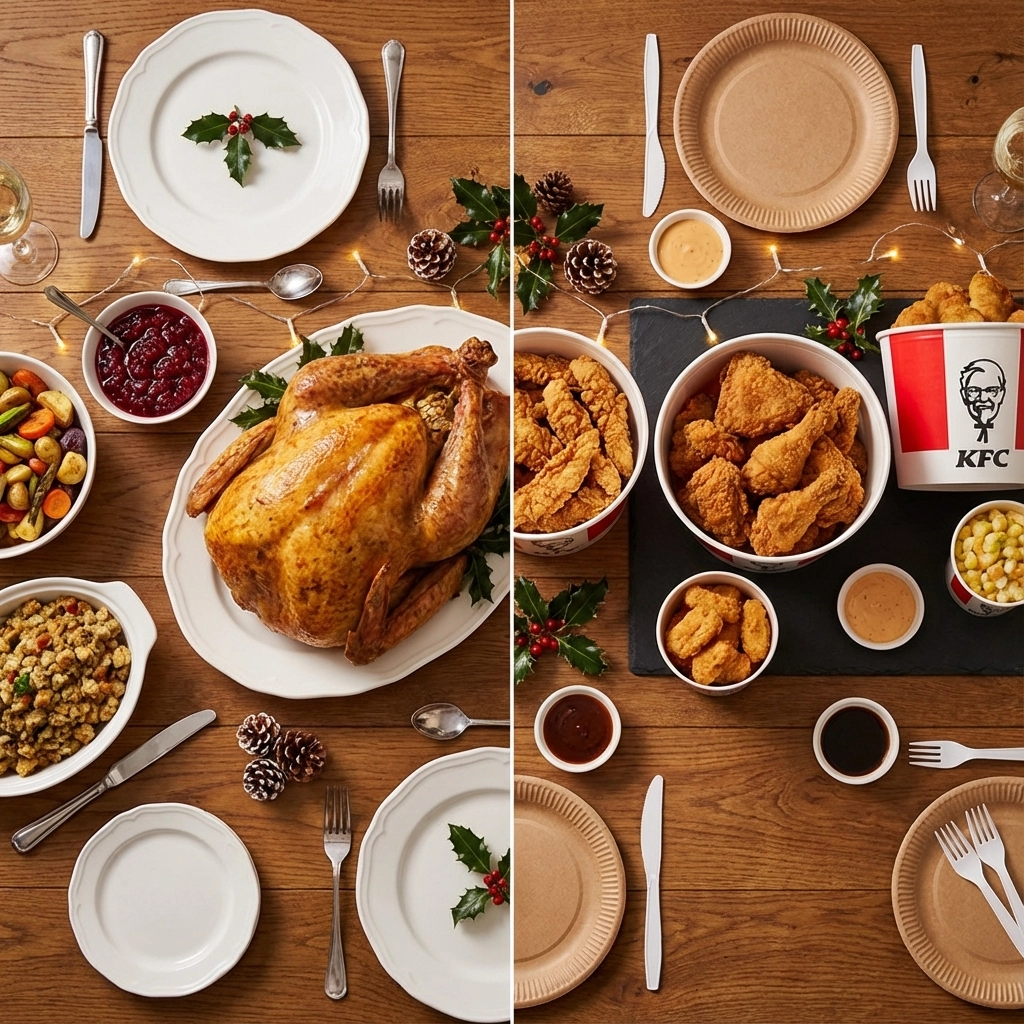
Think your family's Christmas dinner is weird? At least you're not serving a pig's head with mustard, which was the traditional Christmas meal before turkey took over. Suddenly, arguing over white meat versus dark meat seems pretty civilized.
Japan took a completely different approach and made KFC their unofficial Christmas dinner. Thanks to a brilliant marketing campaign in the 1970s, families across Japan now order fried chicken for Christmas dinner. Colonel Sanders accidentally became a holiday icon – now that's what I call finger-lickin' good marketing.
The Yule Log started as an actual log – families would choose an entire tree, burn it ceremoniously over 12 days, and save a piece for good luck. Somewhere along the way, someone decided it would be easier (and tastier) to make it out of chocolate and sponge cake instead. Honestly, that might be evolution at its finest.
The World's Most Threatening Christmas Mascot
While we're on the subject of international Christmas traditions, let me introduce you to Iceland's Yule Cat – a giant feline that supposedly eats people who don't receive new clothes for Christmas. This might be the most effective way to ensure everyone gets practical gifts. "Sorry, honey, I wanted to get you that expensive gadget, but I really don't want you getting eaten by a giant cat."
Sweden celebrates with the Yule Goat, a giant straw goat with roots dating back to the 11th century. Modern versions often become targets for vandalism, which honestly seems like a tradition in itself at this point.
Christmas Lights: The Original Expensive Habit
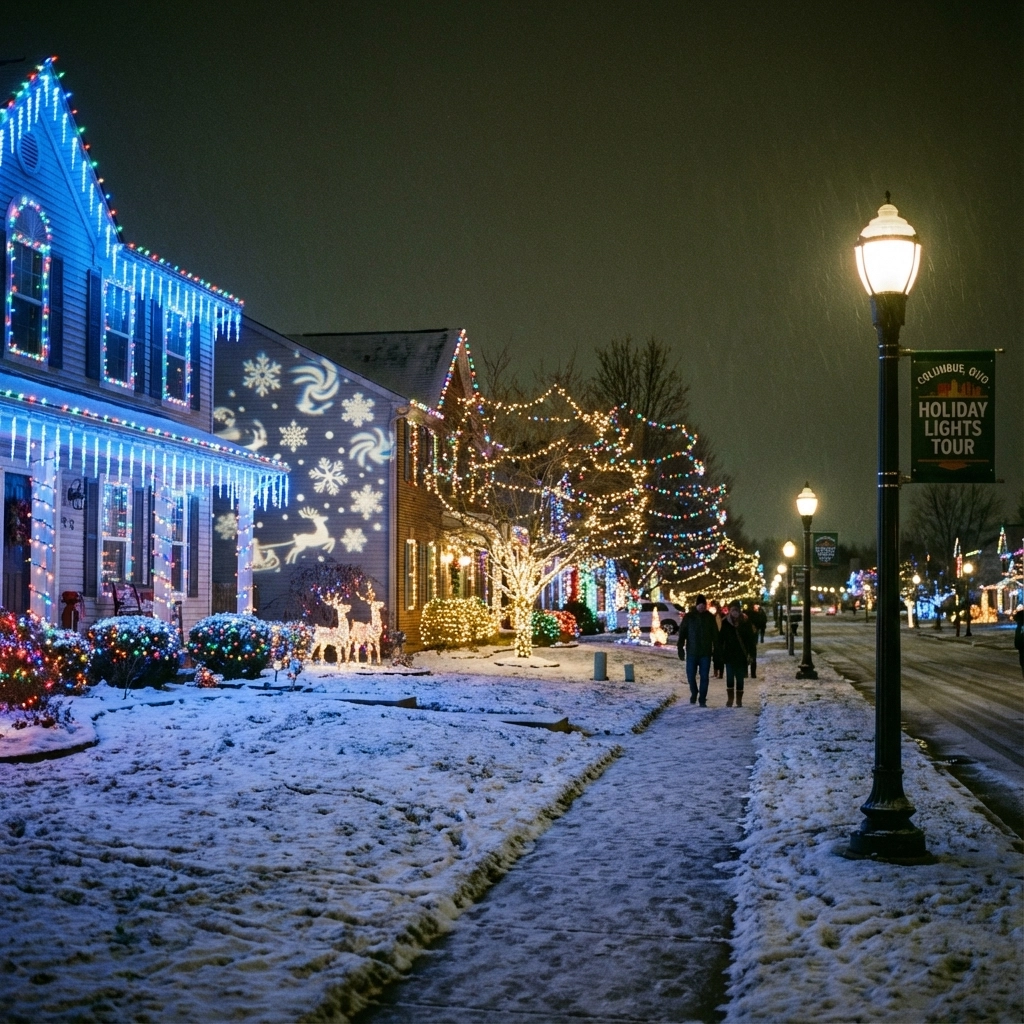
Those twinkling lights that turn your electricity bill into a holiday nightmare? They used to be so expensive that people rented them instead of buying them. It was basically the Netflix subscription model of the 1900s, except instead of binge-watching shows, you were binge-decorating your house.
Here in Ohio, we take our Christmas lights seriously. Drive through any Columbus neighborhood in December, and you'll see houses that could probably be seen from space. Some families spend months planning their light displays, turning their homes into winter wonderlands that would make Clark Griswold proud.
Candy Canes: The Original Crowd Control
Even candy canes have a surprisingly practical origin story. In 1670, a German choirmaster was tired of his young singers getting restless during long Christmas Eve services. So he asked a local confectioner to make candy shaped like shepherd's hooks to keep them quiet. The original candy canes were white (representing Jesus's purity) and shaped like a "J" for Jesus. The red stripes came later to symbolize his blood. It's sweet crowd control with a side of religious symbolism.
Christmas Goes Legal (Finally)
Here's something that might surprise you: Christmas wasn't always a legal holiday in the United States. Oklahoma was the last state to officially declare it a holiday – in 1907. Before that, people were just celebrating anyway, which honestly seems very American.
The term "Xmas" isn't actually a modern commercial corruption of Christmas. It comes from the Greek letter "X" (Chi), which is the symbol for Christ. So when people get upset about "taking Christ out of Christmas," they can relax – He's literally right there in the X.
From Columbus to the North Pole
Speaking of geography, did you know that the famous political cartoonist Thomas Nast established Santa's official residence at the North Pole in the 1800s? Before that, Santa could have lived anywhere – even right here in Columbus, Ohio. Imagine if Santa's workshop was in German Village instead of the Arctic. The elves would probably have the best bratwurst in the world, and instead of milk and cookies, kids would leave out buckeyes and hot chocolate.
Columbus actually has its own Christmas magic, from the stunning holiday displays at Franklin Park Conservatory to the German Village's fairy-tale Christmas atmosphere. There's something special about celebrating Christmas in Ohio – maybe it's the possibility of snow, or maybe it's just the Midwestern warmth that makes the holidays feel extra cozy.
The Beautiful Evolution Continues
Christmas has transformed dramatically over the centuries, from pagan winter festivals to Germanic tree worship to Victorian inventions, and it's all the better for its wonderfully bizarre journey. We've taken traditions from around the world and somehow made them work together in the most delightfully chaotic way possible.
Today's Christmas is a beautiful mashup of ancient rituals, medieval legends, marketing genius, and family traditions that somehow create magic every December. Whether you're hanging stockings for St. Nicholas, decorating trees like ancient Germanic tribes, or searching for pickles like Germans, you're participating in a holiday that's been thousands of years in the making.
So this Christmas, as you're untangling lights, explaining to your kids why there's a pickle on the tree, or wondering how a department store reindeer became more famous than most celebrities, remember that you're part of a wonderfully weird historical tradition that just keeps getting better.
From all of us here at Affinity Group Mortgage, we wish you and your family a Christmas filled with joy, laughter, and just the right amount of delightful chaos. May your stockings be filled with something better than rotten potatoes, your lights stay untangled, and your Yule Cat remain purely decorative.
Merry Christmas, and here's to another year of beautifully bizarre holiday traditions!

Related Posts