
If you have spent any time lately scrolling through real estate listings in the middle…
Trump Proposes Ban on Large Institutional Investors Buying Single-Family Homes: What It Means for Homebuyers
If you've been house hunting lately, you've probably felt the frustration of competing against well-funded investors for your dream home. Well, former President Trump just announced a plan that's got the housing world buzzing – and Wall Street a bit nervous.
On Wednesday, Trump posted on Truth Social that he's planning to ban large institutional investors from purchasing single-family homes. The market reaction was swift: stocks of major housing investment companies like Blackstone and Invitation Homes dropped about 6% almost immediately.
But what does this actually mean for you as a homebuyer? Let's break it down in plain English.
What Exactly Is Being Proposed?
Trump's announcement stated he would be "immediately taking steps" to implement this ban and called on Congress to make it official law. The target here isn't your neighbor who owns a rental property or two – we're talking about the big players. Think massive Wall Street firms and institutional investors who own thousands of properties across the country.
These are companies that can swoop into markets with cash offers, often outbidding families who are trying to buy their first home or upgrade to something bigger. If you've ever lost a bid to an "investor" in places like Columbus, Ohio, or other hot markets, you know exactly what we're talking about.
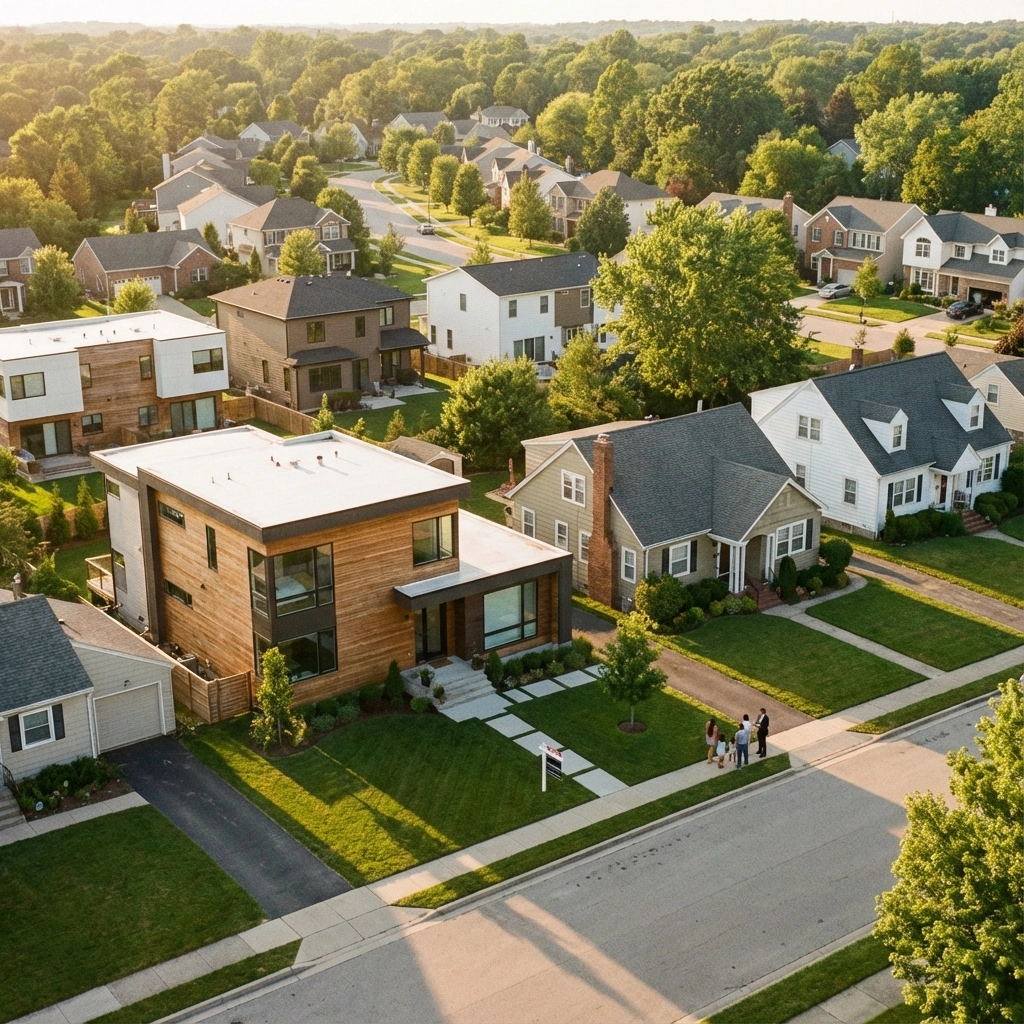
The Numbers Game: How Big Is This Problem Really?
Here's where things get interesting. While the proposal sounds like it would solve the housing affordability crisis overnight, the reality is a bit more complicated.
According to housing data, large institutional investors – those companies that own 1,000 or more properties – actually represent only about 0.73% to 2% of all single-family homes nationwide. Even when you include all investors who own at least 10 properties, that number only jumps to about 3.4% of the total single-family home market.
Scott Lincicome from the Cato Institute put it pretty bluntly: "Institutional investors are a tiny share of the market, and a tinier share of the total U.S. housing market. There is not good enough evidence that institutional investors drive up home prices."
So while these big investors definitely make headlines and can dominate certain neighborhoods or markets, they're actually a smaller piece of the puzzle than you might think.
What Housing Experts Are Saying
Most housing economists I've been reading are saying this ban, while politically popular, probably won't move the needle much on housing affordability. The real issue? We simply don't have enough homes.
Daryl Fairweather, chief economist at Redfin, nailed it: "If we actually wanted to solve that problem, bringing down the cost of home ownership, what we should be doing is increasing the supply of housing."
And here's a plot twist nobody saw coming – banning these large investors could actually make the housing supply problem worse. How? Well, if construction companies know they can't sell to institutional investors, they might build fewer homes overall. Less supply usually means higher prices, not lower ones.

The Real Housing Challenge We're Facing
Let's be honest about what's really driving up home prices. It's not just investors – it's a perfect storm of factors:
Supply Shortage: We've been under-building homes for over a decade. In markets like Ohio, where I see a lot of activity, we're still playing catch-up from the years after the 2008 financial crisis when construction basically ground to a halt.
Population Growth: More people are forming households and looking for homes, but we haven't kept up with demand.
Construction Costs: Building materials, labor shortages, and regulatory hurdles have made it more expensive to build new homes.
Interest Rates: While rates have come down from their peaks, they're still significantly higher than the ultra-low rates we saw just a few years ago.
If you're working with a mortgage professional (like our team at Affinity Group Mortgage), you've probably already discussed how these factors affect your buying power and strategy.
What This Means for You as a Homebuyer
So, will this proposal actually help you buy a home? The short answer is: probably not as much as you'd hope.
The Good News: In markets where institutional investors have been particularly active, you might face slightly less competition. This could be especially true in certain neighborhoods in growing cities across Ohio and other states where these investors have concentrated their purchases.
The Not-So-Good News: The fundamental challenges – lack of inventory, high construction costs, and affordability issues – aren't going away with this ban.
The Wild Card: If this policy actually reduces new home construction (because builders lose a reliable buyer), it could make the supply problem even worse.

The Rental Market Side of Things
Here's something worth considering: many of these institutional investors didn't just buy homes to flip them. They've been turning them into rental properties. In a housing market where not everyone can qualify for a mortgage or afford to buy, rental homes serve an important purpose.
The rental industry is obviously not thrilled about this proposal. They argue that institutional ownership has actually improved the quality of rental housing in many markets and provided more professional property management.
If these companies exit the single-family rental market, we might see:
- Fewer quality rental options
- Higher rents due to reduced rental supply
- More amateur landlords (which isn't always better for tenants)
Looking at the Bigger Picture
This proposal is happening at an interesting political moment. Housing affordability has become a bipartisan concern, with politicians on both sides recognizing that younger Americans especially are struggling to achieve homeownership.
Senator Elizabeth Warren has actually proposed similar restrictions in the past, showing this isn't just a one-party issue. When you've got people across the political spectrum worried about the same thing, it usually means the problem is real – even if the proposed solutions might not be perfect.
What Should You Do Right Now?
If you're currently house hunting or thinking about it, here's my advice:
Don't Wait for Policy Changes: Housing policy moves slowly, and even if this ban gets implemented, it's not going to dramatically change the market overnight.
Focus on What You Can Control: Work with experienced professionals who can help you navigate today's market. Whether that's understanding different loan options or getting pre-qualified so you can move quickly when you find the right home.
Consider Different Markets: If you're flexible about location, look at areas that haven't been as heavily targeted by institutional investors. Sometimes that means looking in suburbs around Columbus or other Ohio cities rather than the hottest downtown markets.
Stay Informed: Market conditions change, and new opportunities pop up all the time. Keep an eye on inventory levels and mortgage rates in your area.
The bottom line is this: while Trump's proposal to ban institutional investors might sound like a silver bullet for housing affordability, the reality is more nuanced. The housing market's challenges run deeper than just investor competition, and solving them is going to take a multi-faceted approach.
As someone who works in the mortgage industry every day, I can tell you that there are still plenty of opportunities for motivated homebuyers. It might take some patience, creativity, and good professional guidance, but homeownership is still achievable – regardless of what happens with this policy proposal.
The key is focusing on what you can control and working with people who understand both the current market and how to position you for success in whatever market we end up with.

Related Posts